The Branding Why: How 1 Ounce To Ml Uniformity Builds 2026 Consumer Loyalty Niq Outlook For South Africa Programmes Offer
Embrace the power of consistency maintaining brand consistency across all channels is essential for driving success in today's competitive market From the early days of steve jobs and steve wozniak tinkering in a garage, to the present day with a market capitalization of over $2 trillion, we examine how apple has disrupted the tech industry. As demonstrated by green compass and poppy handcrafted popcorn, a cohesive brand presence enhances recognition, builds trust, and fosters customer loyalty.
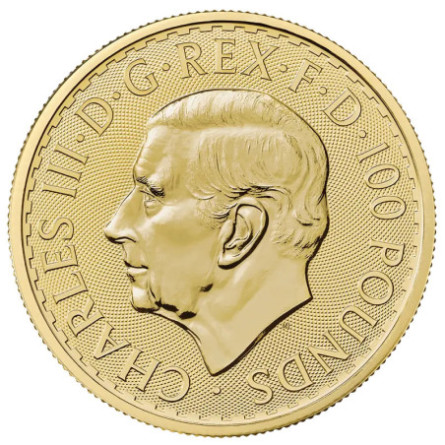
Britannia 2026 Gold Coin 1 Ounce
In today's marketing world brand consistency is more important than ever Branding is absolutely critical to a business because of the overall impact it makes on your company. With businesses marketing across a variety of platforms, everything from social media and websites to physical products and promotional materials, ensuring that that brand delivers a uniform, recognizable experience everywhere is essential for success.
- The Grand Avenue Project Charting The Next Decade For St Paul
- How St Paul Baptist Church Baltimore 2026 Youth Hub Cut Crime Rates
- Viral Drone Footage Shows The Glen Stream Md 2026 Habitat Recovery
This uniformity helps to build trust and recognition, which are crucial for customer retention and loyalty
From the perspective of a social media manager, consistency means aligning posts with the brand's voice and visual style. Uniformity in packaging creates brand identity because people can easily identify your products at first glance. Brand consistency means presenting a cohesive visual identity wherever a customer or user encounters your brand That could be across any number of online marketing channels — from social media to email — and their physical brand encounters with products and stores
Here are some examples from leading companies that excel at brand consistency. Brand consistency refers to the uniformity of a company's messaging, visual identity, and overall brand experience across all touchpoints The importance of ensuring a strong, uniform brand identity across all marketing in today's competitive market, building a recognisable, consistent, and trustworthy brand is key to business success Whether through social media, email campaigns, website design, or traditional advertising, your brand identity should remain cohesive.

Conclusion consistency in branding is a powerful driver of recognition, trust, and loyalty
Maintain a unified brand identity to leave a lasting impression and stand out from competitors Consistency requires creating a brand style guide, standardizing messaging, ensuring visual uniformity, aligning actions with values, and training your team. Brand consistency is the practice of ensuring that a brand's messaging, visual elements, and overall identity are uniform across all platforms and interactions This uniformity helps in reinforcing the brand's identity, building trust with the audience.
This uniformity enhances the effectiveness of advertising efforts by reinforcing the brand's presence and message across different channels Consistency in branding creates a cohesive and professional image, which increases consumer trust and engagement. Branding consistency ensures your organization and the values it represents remain recognizable across all communications channels. While an emotional connection may help create customer loyalty, you can't ignore other competitive features

While loyalty makes price less relevant, there is a breaking point.
Brand consistency is so important to your business when building customer trust That's maintaining it it's hard. The french retail brand stays ahead of the curve by getting one vital thing right And that's a great way to stop them from losing interest, and a perfect examples of how to build brand loyalty.
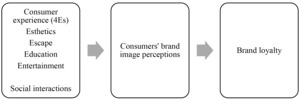
The effects of branding on consumer trust, market positioning, and competitive advantage are scrutinized, highlighting its role in establishing emotional connections with the target audience. How to build a brand [download now] being able to control the purchasing experience at this level is the power of branding at work This branding guide will help you create and manage a strong brand that'll entice customers to admire, remember, and prefer your business over the competition. The results show that when these drivers separately affect brand loyalty, brand satisfaction and brand trust have a stronger effect on attitudinal loyalty than on behavioral loyalty, while brand experience and brand commitment have a stronger effect on behavioral loyalty than on attitudinal loyalty.

Transparency builds customer trust, boosts loyalty and profits, and sets brands apart by fostering honest pricing, open communication and accountability.
Discover the power of emotional branding in building customer loyalty Learn how to create lasting connections that inspire trust, advocacy, and brand loyalty. A brand is a feature — or set of features — that distinguishes one organization from another A brand is typically comprised of a name, tagline, logo or symbol, design, brand voice, and more
Brand identity, then, is the aspect of branding that focuses on your brand's personality, as well as the values you convey to your customers. Mcdonald's marketing is one of the clearest examples of what happens when a global brand treats marketing as a system instead of a series of campaigns Brand vision is a marketing, web, and design agency, and we build the kind of brand and digital foundations that let teams ship consistent work across channels and markets. This can be achieved through various methods, such as altering the design, enhancing features, changing packaging, or creating a unique brand image

The key reasons why firms pursue product differentiation include
By offering products that appeal to specific tastes or preferences, firms can create a loyal customer base. We often think of a company brand as just the name and logo But while these externally facing elements are crucial for things like brand recognition and loyalty, they only scratch the surface of. Stakeholders include possible clients, existing customers, employees, shareholders, and business partners
Each one builds up their own perception and interacts with the brand accordingly