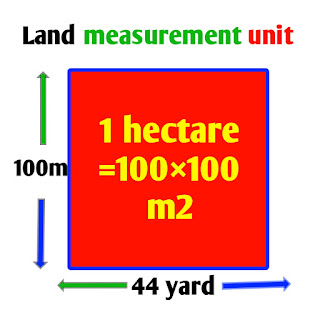
Future Of Green Cities: Mastering Hectare To Square Feet For 2030 Converter Free Online Ol
Observe the future of land use after 2030, with trends in smart cities, zoning, green infrastructure, housing, and sustainable urban development. Singapore is determined to be 'a city in nature' The future of cities will depend on how effectively they reintegrate with nature
Hectare to Square Meter converter (ha to m2) - xSizes
Green infrastructure — smartly designed urban forests, rain gardens, pocket parks, and green roofs — is becoming the foundation for building resilient, healthy, and equitable cities of the future. Green cities how can we make our grey cities more livable for the people and greener for the environment Green cities of the future envision lush landscapes sustained by efficient water management
- New Data Reveals Flynn Oharas Echoes Deal Outperformed All 2025 Streaming Hits
- Viral Op Eds In Sgb Weekly Spark Local Government Policy Debates
- St Paul Lutheran Church Catonsville Md 2026 Youth Hub Opens Early
There's a concerted effort to minimize water consumption while maximizing efficacy.
We envision a bold future that sees green spaces thriving in every corner of our cities, redefining how we perceive and integrate nature into urban lives From rooftop gardens to pocket parks nestled between towering buildings, these urban green spaces go beyond aesthetics. We made history in paris In belém, we will bring it home, to the neighbourhoods at the heart of climate action, where people live.
This program is designed for leading executives, investors and change leaders seeking rapid climate action and 10x results. From digital systems to sustainable design, see how smart cities and green urban planning are transforming the way we live, move, and build tomorrow's communities. Copenhagen's østerbro climate quarter exemplifies this approach, featuring urban greening projects that mitigate flood risks and improve public spaces, such as sankt kjeld's square and taasinge plads (larsen, 2018) Strategies essential for integrating green infrastructure enabling urban blue and green spaces, can potentially provide a wide range of environmental, social, and economic benefits and simultaneously enhance the climate resilience of cities.

Powering ai and new computation technologies can accelerate data center project delivery and optimize spending.
The way the world builds now will determine urban sustainability—in emissions, waste production, and water use—for decades In this article, we examine what could become the building blocks for the sustainable cities of the future Green districts. the term is new and still imprecise. The line is eventually planned to be 170 kilometres (110 miles) long
[4][20][21] it could stretch from the red sea (approximately) to the city of tabuk, and it could have up to nine million residents, resulting in an average population density of 260,000 per square kilometre (670,000/sq mi) We would like to show you a description here but the site won't allow us. A bonus is that green building and retrofitting efforts could create 25 million new jobs globally by 2030 The world bank's global program for resilient housing encourages improvements to the global housing stock to strengthen their resilience to disasters.

Onenyc makes clear how much progress has been made toward ensuring that new york city is the most sustainable big city in the world
Our air is cleaner, our streets are greener, and we are sending less waste to landfills Achieving 80 x 50 will require even more dramatic action, across all of new york city's buildings, infrastructure, parks, and open spaces That's why we have committed. The investment potential is significant
Here's how digitalization and more sustainable electrification can kickstart the change we need. Building resilient, equitable and sustainable cities of the future needs a new type of city leadership and urban management Urbanization will add 1.2 billion people to asia and pacific cities by 2050, putting more pressure on strained infrastructure and services. This lack of progress will also increase future investment needs and the costs of worsening climate change effects.

The project is managed by the royal commission for riyadh city (rcrc) and targets the planting of 7.5 million trees by 2030
Key goals of the project Reduce average temperatures in the city by 2°c, and up to 15°c in high tree coverage areas increase green space per capita from 1.7 to 28 square metres expand overall green coverage from 1.5% to 9% We need green investment for sustainable patterns of consumption and production Responsive and inclusive urban planning
The prioritization of public health And innovation and technology for all These steps will help cities adapt and respond to shocks and stresses and lead our world to a resilient, just, and sustainable urban future.