How Many Million In One Billion: 2026 Global Population Milestone Fographic Illustration Sg The Distribution Of The World's
World population milestones went unnoticed until the 20th century, since there was no reliable data on global population dynamics Agtoday get the latest headlines affecting agriculture today. [2] the population of the world reached
2026 Global K-Pop Audition preparation - Star Bank Daeppang
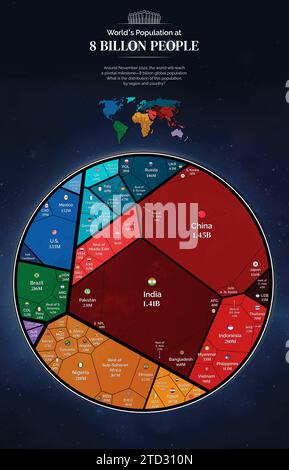
The united nations (un) tracks significant changes in the number of people living in each country and estimates future population milestones The number of unauthorized immigrants in the u.s India's most recent population milestone is that it surpassed china in 2023 to become the world's most populated country with 1.4 billion inhabitants
- Community Heritage Projects Secure The Future Of Oak Road Lutheran Church
- Inside The Elite College Prep Strategy At St Pauls High School Baltimore
- Year Round Learning Modules Reshape The Glen Burnie High School Calendar
The un estimates that by 2050, the population in india will reach 1.6 billion
The current world population of 2026 there are 8,269,517,357 people on earth today (8.2695 billion) on sunday, january 18, 2026, with a growth rate of 0.82% per year, 363,023 births daily, 174,349 deaths daily, and 186,832 population increases daily The world population is growing at a rate of almost 130 people per minute. As of today, the total population of the world is around 8.36 billion people The first billion was reached around 1800 and in just 200 years we reached 6 billion
According to population division of united nations department of economic and social affairs , these are the main milestones 1800 2100 1850 1900 1950 2000 2050 0 200 million 400 million 600 million 800 million 1 billion 1.2 billion 1.4 billion 1.6 billion 1.8 billion It presents population estimates from 1950 to the present for 237 countries or areas, underpinned by analyses of. Population growth estimates from the current year up to 2100 for the entire population of the world

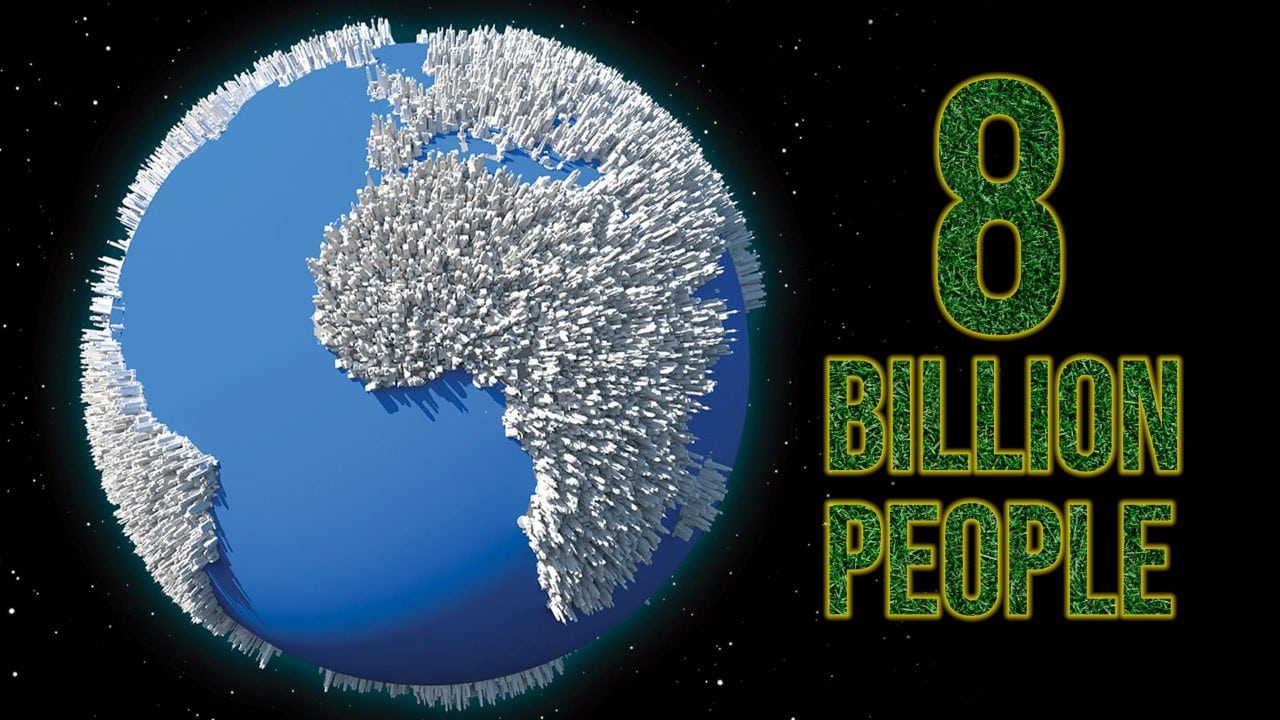
We became a world of 8 billion in 2021 (see note at bottom of page)
After passing the 7 billion milestone in 2009, it only took 12 years to add the latest billion When did the world population reach 1 billion Until the industrial revolution began, birth rates and death rates were both very high, which kept the global human population relatively stable In fact, it took all of human history.
Stay updated with the latest news and stories from around the world on google news. Discover population, economy, health, and more with the most comprehensive global statistics at your fingertips. Population growth through history from 5000 bc to the current year (2025) for the entire population of the world World population high, medium, and low projections of the future human world population [1] in world demographics, the world population is the total number of humans currently alive

It was estimated by the united nations to have exceeded eight billion on november 15, 2022.
Some estimates extend their timeline into deep prehistory, to 10,000 bce, i.e., the early holocene, when world population estimates range roughly between 1 and 10 million (with an uncertainty of up to an order of magnitude) [3][4] estimates for yet deeper prehistory, into the paleolithic, are of a different nature. The number of people requiring interventions against trachoma, the world's leading infectious cause of blindness, has fallen below 100 million for the first time since global records began. The latest world population prospects data from the united nations indicates that there are now 8.25 billion people on earth, which means that the global population has increased by a quarter of a billion people in less than three years.
Young people tend to use social media more frequently. Current, historical, and projected population, growth rate, immigration, median age, total fertility rate (tfr), population density, urbanization, urban population, country's share of world population, and global rank. The drop was 1.5 percentage points, or 4.4 million people, from 2020, the year before biden took office, to 2024, according to the national health interview survey, which measures the uninsured at.