Hydration Data—why The Balance Of Fl And Ml Matters For Labeling Watercolor Illustration Set Water Stock Illustration
We also propose that this individualized method defines the elusive state of euhydration (i.e., water balance) and distinguishes it from hypohydration. Stay hydrated and healthy with our hydration calculator. Assessment of fluid balance (intake vs
Hydration - hydration
Review the total fluid intake and output over a set period (typically 24 hours) to calculate the patient's fluid balance Calculate your optimal daily water intake based on your personal factors and activities A balanced fluid status helps ensure adequate hydration and prevent complications like dehydration or fluid overload.
- Why The Sgb Weekly 2026 Digital Edition Surpassed Print Sales
- Beyond 2026 The Enduring Impact Of Sustainable Tech By Mark Mellinger
- New Data Reveals Surprising Academic Gains Across Schools In Glen Burnie
Why is fluid balance monitoring important
Recognise early signs to intervene promptly Avoid complications like oedema and heart strain Why accurate fluid intake recording matters accurate tracking of a client's fluid intake and output (i&o) provides a clear picture of their hydration status, which is vital for monitoring patient health and preventing complications like dehydration or fluid overload. This article reviews the physiology that underpins normal fluid balance and discusses how fluid balance can be affected by illness
Clinical assessment of hydration and the importance of fluid. This article discusses the importance of hydration, and the health implications of dehydration and overhydration It also provides an overview of fluid balance, including how and why it should be measured, and discusses the importance of accurate fluid balance measurements. Normally, the amount of total body water should be balanced through the ingestion and elimination of water
To ensure this balance, as a nurse, you may need to track and record all fluid intake and output on an intake and output sheet, commonly known as an i&o sheet
This is particularly important for certain groups of clients, like those on special fluid orders, including. Hydration is the process of maintaining a balance of water in the body to support physiological functions This distribution is essential for various biological processes, including thermoregulation, nutrient transport, and cellular function. Hydration is essential to an athlete's health and performance
A sports medicine specialist offers hydration tips for athletes. Discover the science behind hydration and its vital role in human health Learn how water affects your body, supports physiological functions, and keeps you performing at your best. 22nd annual cincinnati children's advanced practice provider regional conference, virtual

How much fluid do our bodies need
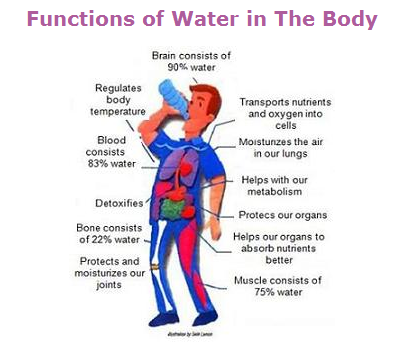
The body requires water for various functions including body temperature regulation, nutrient absorption, waste removal, joint lubrication, healthy skin, and cognitive health Adequate hydration is necessary for us to live and survive. Water, being an essential nutrient, is crucial for all life Adequate maintenance of body water compartments is required for optimal fluid balance, which is a prerequisite for cellular homeostasis and blood pressure regulation
Drinking enough water each day is crucial for many reasons To regulate body temperature, keep joints lubricated, prevent infections, deliver nutrients to Definition of hydration management hydration management is the promotion of adequate fluid balance that prevents complications resulting from abnormal or undesired fluid levels (see fluid management nursing intervention appendix c).