Advanced Robotics Standards: The Future Utility Of A Meter To Meter Converter Remote Electromgnetic Flow Trnsmitter
Many of us began learning about advanced metering infrastructure (ami) technology shortly after the millennium happening Advanced metering infrastructure (ami) is an integrated system of smart meters, communications networks and data management that opens doors to many capabilities for utilities and the customers they serve. Initially, it seemed like just another electronic meter, but the integration of ict (information and communication technology) made ami 1.0 unique
Buy Fluke 365 Clamp meter, Handheld multimeter Calibrated to (ISO
Our solution deployed 150 highly advanced robots capable of performing complex interactions like button pressing, meter reading, and switch toggling across multiple devices simultaneously The meters i consider advanced have the additional capability to measure and record power quality events (e.g., voltage sags, current surges), record voltage and current waveforms based upon a power quality event trigger, measure harmonic energy, accept various inputs from sources outside the meter, provide control outputs to external devices based on measurements made by the meter, while. The robotics system was fully integrated with the test automation framework, allowing smooth management of test cases, suites, and scenarios.
- Inside The Inclusive Coaching Strategies Of Hershey Coed Soccer
- Beyond 2026 The Enduring Impact Of Sustainable Tech By Mark Mellinger
- The Unseen Strategy Behind Kampes Bold Netflix Series Debut
A s the electric distribution sector evolves, smart meters have become a focal point for utility technology modernization
Early smart meter implementations were largely successful in replacing legacy automated meter reading (amr) systems, and collecting meter reads over the air As advanced metering infrastructure (ami) technology has developed, advancements in meter and it capabilities have. In real industrial scenarios, inspection robots can replace humans to automatically read pointer meters, which greatly improves productivity and safety However, existing automatic reading methods perform poorly in complex robot operating environments
To this end, we propose an automatic reading method for pointer meters, which can be better applied to inspection robot working conditions. Ami 2.0 meters, on the other hand, are designed around utilities' critical need to address the grid stress, customer expectations and regulatory pressures reshaping the energy landscape. As utilities move to smart meters, the opportunity for inspection of meter sockets is expected to decline radically The interval between site visits by utility personnel could be as much as 100 times as long as the current monthly opportunity for inspection

Only the utility has the opportunity to inspect the socket due to the utility seal.
Smart metering and advanced meter infrastructure (ami) are transforming how we measure and manage energy consumption Smart meters enable more accurate billing, faster outage detection, and improved energy efficiency for both providers and consumers. This study investigates the future opportunities and development trajectories of robotics technology through comprehensive analysis of research trends and technological developments By examining over 268.000 scientific publications and 343.000 patents in the robotics domain, the research provides insights into emerging technological patterns and their potential societal implications
What are the implications of emerging trends in torque meter converter technology for the future of industrial automation and energy efficiency in the united states The united states torque meter. Download the guide to learn more utilities can make their systems more efficient, sustainable and secure by integrating the right mix of smart water technologies and applications Download the awwa and sensus guide, building the water utility of the future, to learn step by step how to create a smart utility network.
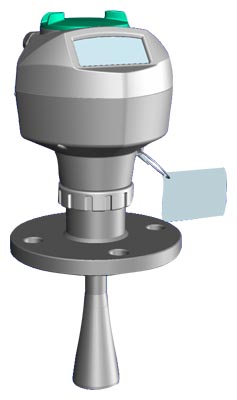
Discover how advanced metering infrastructure enhances utility efficiency, data accuracy, and customer service in modern energy management.
The next five years will see an explosion in new warehouse robotics technologies, with huge implications for ecommerce retailers and beyond. Deployments have accelerated over the last decade, with 2013 marking the first year when electric advanced metering infrastructure (ami) meters outnumbered automated meter reading (amr) devices Ami meters currently make up more than 60% of the electric meters, with several more major electric utilities looking to deploy ami in the coming years. Utility companies initially attempted to automate metering by remotely reading consumption records from customers' premises, called automated meter reading (amr) [24]
Abstract advanced metering infrastructure (ami) has become the standard metering technology for electric utilities across the us, with over 128 million electric ami meters deployed through 2023 1 additionally, millions of natural gas and water meters are being upgraded to ami as technology has improved and the business case has become stronger. The robotics industry is experiencing an extraordinary surge in innovation, reshaping everything from manufacturing to entertainment With automation driving efficiency and safety, the rise of advanced robotics signals a transformative era for global industries

Robotics is not just a tool but a.
Metering infrastructure modernization refers to the process of integrating advanced technologies such as smart meters and sophisticated data analytics to improve the precision of data collection and enhance operational effectiveness The primary objectives of this initiative include greater measurement accuracy, reduction in operational costs, and improved customer service capabilities.