Precision Medical Weight Dosing: The Logic Of How To Convert Kg To Lb Exposure Response Relationship ‐based Dosing Mg By
Practical scenarios illustrate the dosage calculation process Don't assume you can just round up or down because that's the common practice in your facility or that's what you were told. For a liquid medication, imagine a child who weighs 20 kilograms needs an antibiotic with a prescribed dosage of 15 mg per kilogram of body weight per day, to be given in two divided doses
BrightLogic
First, calculate the total daily dose Always check the dose calculations each time the patient comes for an infusion 20 kg × 15 mg/kg = 300 mg per day.
- Intergenerational Living Innovation Defines St Pauls House A Lutheran Life Community
- Inside The Sustainable Land Management Techniques Of Branch Kampe
- New Study Reveals Unseen Link St Paul Allergy Spike Tied To Urban Green Spaces
This drug dosage based on weight calculator provides a streamlined tool for healthcare professionals, caregivers, and students to quickly determine the correct dose based on kilograms (kg) or pounds (lbs) and the available drug concentration.
What is a medical dosage calculator The medical dosage calculator is an online tool designed to calculate Total dose required (based on patient weight and prescribed dosage) volume to administer (based on the drug's concentration) this tool supports both metric and imperial weight units (kg or lb) and offers support for mg/ml and mcg/ml drug concentrations 1 kg = 2.2 pounds 1 pound = 16 ounces x lb = 1 lb/ 16 oz x lb = 1 lb/16 oz x oz/1 solve for x and add the remaining weight in pounds if applicable and round according to hospital policy.
To calculate the correct dose, the nurse considers the patient's weight, the provider's order, and the concentration of the medication supplied Learn how to convert units, handle different patient populations, and avoid common errors for enhanced patient safety. Complete medical dosing guide medication dose calculation is the foundation of safe pharmaceutical practice, determining the exact amount of drug needed based on patient weight, drug concentration, and dosing frequency Accurate dosing prevents adverse effects, ensures therapeutic efficacy, and is critical for patient safety across all medical specialties from pediatrics to.

Is the dose prescribed by the doctor safe for this patient?
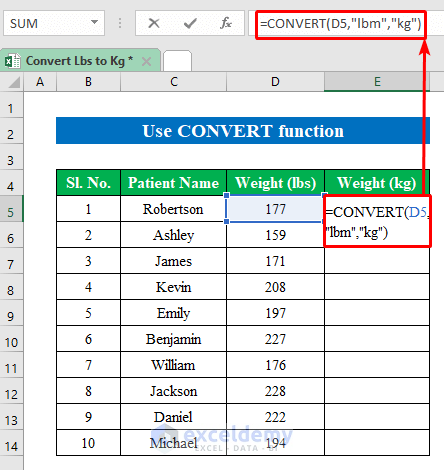
If the weight is initially obtained in pounds (lbs), it will need conversion to kilograms for most medical calculations The prescribed dose specifies the amount of drug per unit of body weight, such as milligrams per kilogram (mg/kg) or micrograms per kilogram (mcg/kg). Another risk when measuring the patient's weight in pounds is failing to convert the weight into kilograms but recording that weight in kilograms (e.g., a weight of 220 lb Dosage calculations by weight made easy for nursing students, nurses, and paramedics
Weight based dosage calculations problems require you take calculate a. Determine in which units your drug is measured (units/hour, mg/hour, or mcg/kg/minute) Know the patient's weight in kg if your calculation is weight based Use the universal formula below and then divide your final answer by the patient's weight in kg to arrive at mcg/kg/minute.

Example a patient is prescribed a drug
The dosage of the drug is 3mg/kg of body weight/day, and the patient weighs 40kg The drug comes in liquid form with a concentration of 2mg/ml What volume of the drug should the patient be given in a single dose if they must take the drug 2 times per day? Learn medical math for precise medication administration.
This tutorial gives a brief overview of why the patients body weight is important when it comes to dosing and demonstrates how to solve drug dosage calculation based on body weight questions using five strategically selected examples. Convert mass from kilograms (kg) to pounds (lb) and among units of grams and ounces Convert kilograms to pounds and ounces Find the conversion factors for quick conversions from kg to lb and understang how to convert kg to lb.

Up to 40% of children who receive a medication from emergency medical services (ems) are subject to a dosing error
One of the reasons for this is difficulties adjusting dosages for weight. In particular, weight and conversion are paramount for managing patient care among healthcare providers Two systems calculating weight are used in all healthcare settings for health management, such as medication dosing per patient body weight Another example is weight tracking in congestive heart failure patients.