Future Smart Homes Will Feature Built-in Systems For Live Conversion Sq Ft Technologypanda
Let's explore the trends poised to transform our living spaces into smarter, more intuitive homes The key contributions of this review are follows: New smart home technology systems can be easily installed in new construction projects and used to monitor the home experience for better future design.
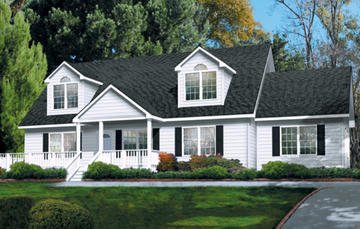
The Top 22 Prefab Homes Over 500 sq. ft.
The future of smart homes will rely on advanced encryption, biometric authentication, and blockchain technology to safeguard user data Our work reports a systematic analysis of the literature to identify the available smart home solutions and identify the challenges related to emergency situations For example, smart locks with facial recognition and fingerprint scanning will replace traditional keys, offering both convenience and security.
- Viral Gospel Concert Clips From Baptist Church Glen Burnie Md Tours
- Market Shock Unexpected Drop In Key Inflation Number Stuns Analysts
- Decoding The Shift Towards Ai Integration In Every Major Non Profit Org
The future of smart homes technology in 2025 promises seamless automation, enhanced security, and energy efficiency
As ai, iot, and green technology evolve, homes will become smarter, safer, and more sustainable. Smart home ai, future home technology, and iot predictions are driving connected home trends with autonomous energy, security, and lifestyle solutions. The future of smart homes is a tapestry of innovation, weaving together ai, connectivity, sustainability, security, health, and accessibility Smart homes are shaping the future of residential living by enhancing convenience, security, and energy efficiency through technology
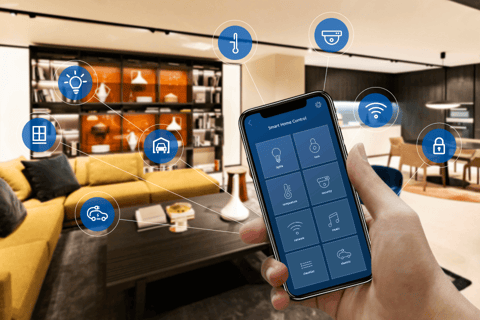
With interconnected devices and automation, users can remotely control essential functions such as lighting, security systems, and temperature This white paper explores the current landscape of smart homes while providing insights into emerging trends. Explore how innovative smart home technologies like ai, iot, and automation are revolutionizing future living spaces for comfort, security, and efficiency. Smart home systems that can be managed by voice have changed how seniors use technology

Intuitive voice commands significantly improve technology adoption among older adults
Seniors can control lighting, temperature, and protection features through natural speech Set alerts for appointments and medication reminders. The future of smart homes is bright, with an array of trends and technologies poised to transform our living spaces From enhanced convenience and energy efficiency to improved security and customization, smart home systems offer numerous benefits that cater to modern lifestyles.
Here's a list of examples you should know about. For instance, apple's homekit platform consistently evolves to support new devices and features. The future is now reaching into the integrated smart homes systems and setting up colonies and towns with shared information systems This is one step ahead of the smart homes automation and needs some important factors to look into scalability, sustainability, and integration and sharing of information systems (blasi, ganzaroli, & noni, 2022).

We've tested hundreds of smart home products in more than 20 categories to help determine which ones are best for every room in (and out of) the house.
The future of the way we live in and use our homes is set to be one thing From the fridge to your toilet seat, your smart home will be one of the integrated appliances and furniture. While research in smart home automation has proposed solutions to wireless control and monitoring issues, there are still challenges hindering the widespread deployment of these systems. A smart home is composed of networked devices and associated services that facilitate automation.
They can be built within hours at a fraction of the cost, with minimal human oversight.