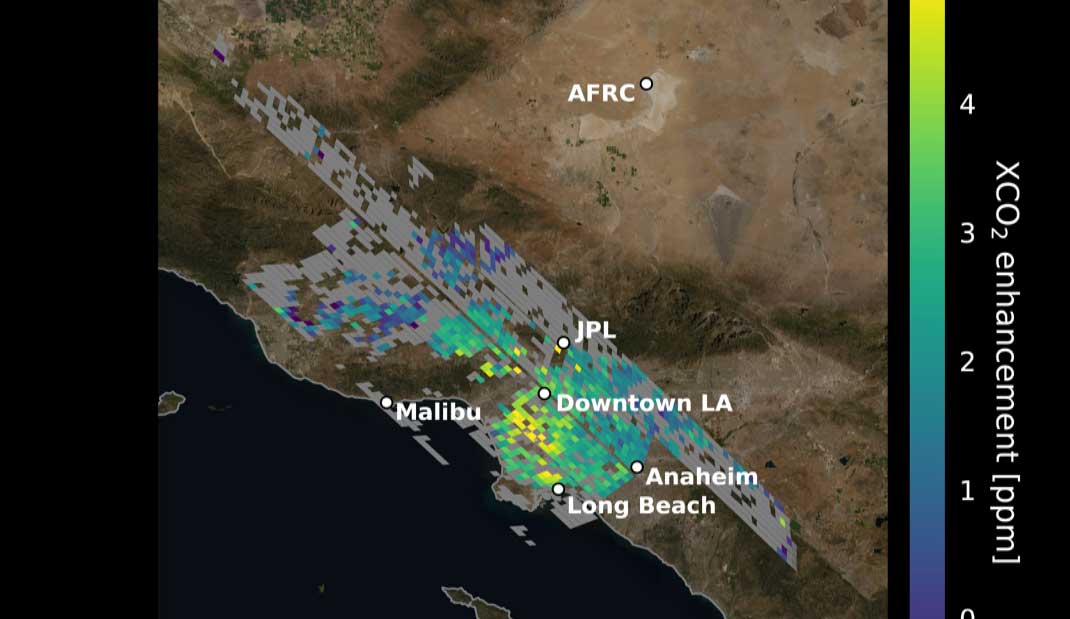
Nasa Researchers Map Global Carbon Sinks By Measuring Acre To Square Kilometer
The last three billion go into ecosystems on land, but exactly where these sinks are located remains an open question Zoom in to see data by state or province, and by county in the united states. Forests are considered one of the world's largest banks for all of the carbon emitted into the atmosphere through natural processes and human activities.
NASA Researchers Study Coastal Wetlands, Champions of Carbon Capture
To develop a balanced global carbon budget with a weaker land sink, the authors propose adjustments to other components of the system Vaisala's interactive global lightning density map display pan and hover over an area to see its lightning density Their analysis indicates that oceans likely absorb about 8% more carbon than previously reported, while fossil fuel emissions are about 6% lower than earlier estimates.
- Viral Family Stories Praise St Pauls House A Lutheran Life Community
- Inside The Inclusive Coaching Strategies Of Hershey Coed Soccer
- Parents Divided Over Screen Time Policy At St Paul Lutheran Daycare
Terrestrial ecosystems take up approximately a third of anthropogenically emitted carbon and are a key component of climate mitigation strategies
However, recent evidence indicates constraints on. The uptake of carbon dioxide (co2) by terrestrial ecosystems is critical for moderating climate change1 We found that the carbon sink in global forests was steady, at 3.6 ± 0.4 pg c yr−. New globally consistent methods for mapping forest carbon sources and sinks around the world show that forests absorb a net 7.6 billion metric tonnes of carbon dioxide each year.
Global land carbon sinks quantified objective Determine the global land carbon sink and quantify this globally to ±1.0 pg c year−1 aggregating from the 1° × 1° scale Importance carbon cycles through the atmosphere as gases, such as carbon dioxide (co 2) and as carbon in plants and soils, in ocean water, in phytoplankton, and in marine sediments Human land use has removed a quarter of the carbon that would otherwise sit in vegetation and the top 12 inches of soil

That equates to roughly 344 billion metric tons of carbon
With pasture expansion, cropland expansion, and forest management determined to be the leading drivers, the analysis shows popular dynamic global vegetation models miss roughly 37 percent of this deficit on average. The name, 'square kilometre array' comes from the original plan for all its antennas and dishes to have a combined effective area of one square kilometer (0.34 square miles). Apply to one of the current nasa research opportunities to join us as a nasa scientist. Large stores of carbon could be released to the atmosphere from arctic warming, driving permafrost thaw
This review examines the processes that impact arctic permafrost carbon emissions, how they. Wildfires also can be a major source of carbon dioxide emissions Researchers found that carbon emissions from forest fires increased by 60% globally between 2001 and 2023 Fire emissions from boreal forests in eurasia and north america nearly tripled during that same time period, driven by a warmer, drier climate.

The animated map below shows the historical changes in global carbon dioxide over time
Note the colors change as the amount of co2 rises from 365 parts per million (ppm) in 2002 to over 420 ppm in 2022. The instrument captured the cluster within a single shot, called a scene by researchers. In 1896, a seminal paper by swedish scientist svante arrhenius first predicted that changes in atmospheric carbon dioxide levels could substantially alter the surface temperature through the greenhouse effect In 1938, guy callendar connected carbon dioxide increases in earth's atmosphere to global warming.
Wetlands store large quantities of carbon, the distribution and quantity of which is little known Here, nahlik and fennessy use data collected as part of the 2011 national wetland condition. Nasa's earth science division operates more than 20 satellites in orbit, sponsors hundreds of research programs and studies, and funds opportunities to put data to use for societal needs.