Environmentalists Debate The Hectare Measurement Accuracy In Reforestation G&r Cedarg&r Cedar
Reforestation is a key climate change mitigation strategy, but global maps of its potential are widely criticized Consequently, the concept of agroforestry gained acceptance as an approach to addressing some of these problems. This study shows that addressing those critiques substantially refines estimates.
Reforestation Project areas (hectare) in Thailand by aims | Download
Reforesting an area this size could capture 2gtco2 per year. Lefebvre is the lead author on a new study, published october 7th in scientific reports, that demonstrates a better way to measure the carbon capture of reforestation projects. The world still deforests and degrades 15 million hectares (37 million acres) of land annually
- New Data Reveals Surprising Academic Gains Across Schools In Glen Burnie
- Mayors 2026 Vision Ensuring Affordable Access To Quality St Paul Childcare
- The Unseen Strategy Behind Kampes Bold Netflix Series Debut
To reach the target to restore 350 million hectares by 2030, annual restoration needs to be around 23 million hectares (57 million acres).
Abstract the number of reforestation projects worldwide is increasing In many cases funding is obtained through the claimed carbon capture of the trees, presented as immediate and durable, whereas reforested plots need time and maintenance to realise their carbon capture potential Further, claims usually overlook the environmental costs of natural or anthropogenic disturbances during the. Deforestation is a critical environmental issue that affects ecosystems, wildlife, and climate across the globe
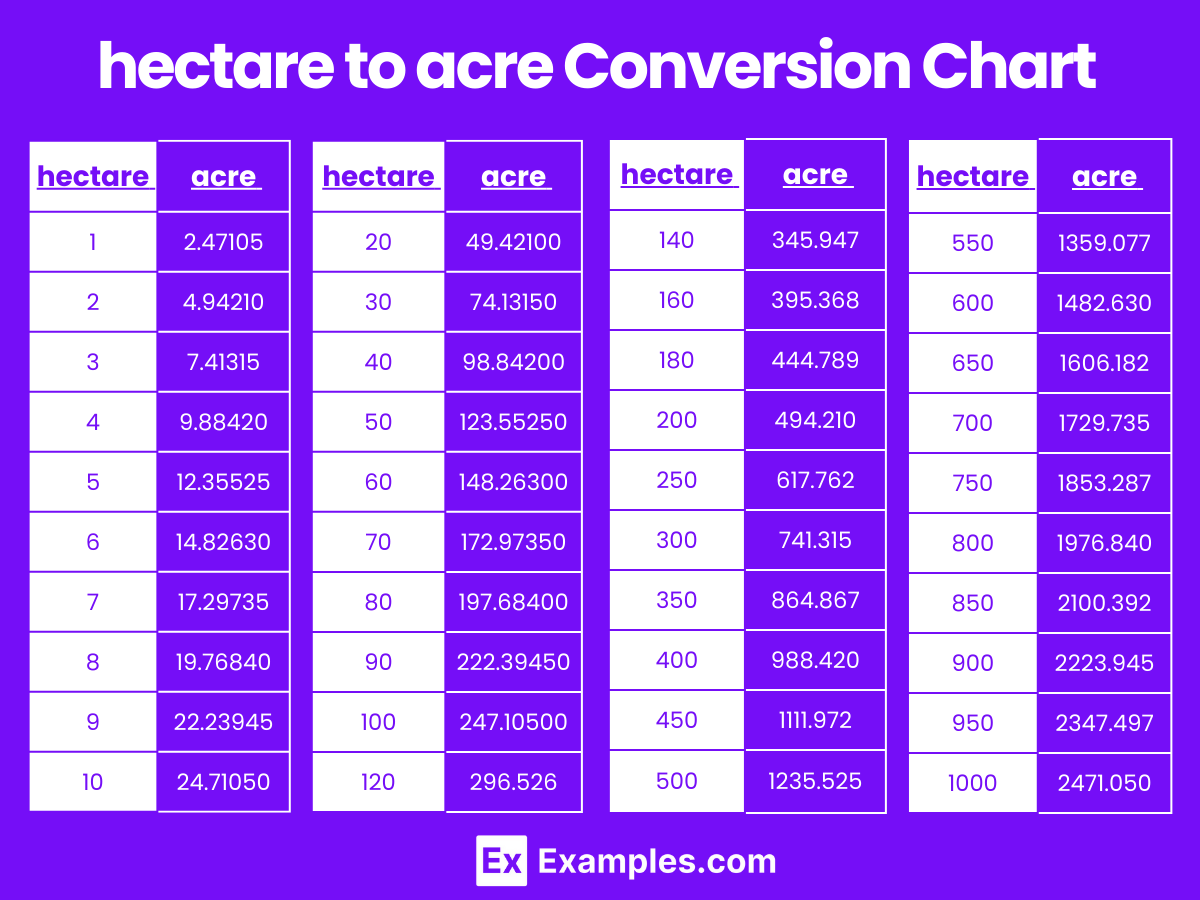
When engaging in discussions or reading reports pertaining to deforestation, you may encounter the term ha, which is an abbreviation for hectare. this measurement unit plays a significant role in quantifying the extent of forest loss and evaluating the magnitude of human. As the world grapples with the challenges of environmental conservation and ecology, it is essential to understand the importance of accurate land measurement units This article compares and contrasts acres and hectares, two commonly used units of measurement for land area We explore the formulae and conversions between these units, highlighting their relevance in environmental conservation.

The area dedicated to mining was at its highest ever in 2021, but at only 5,786 hectares, it is invisible in the graph, and clearly not a substantial cause of forest loss (although it has other disastrous environmental impacts).
Conclusion global hectares are more than just a measurement They are a vital tool for understanding and improving our relationship with the environment By incorporating this metric into our discussions about sustainability, we can better appreciate the ecological footprints we leave behind and work towards a more sustainable future. Natural climate solutions can mitigate climate change but misunderstandings about what constitutes a natural climate solution generate unnecessary confusion and controversy
Assisted migration is a climate change adaptation technique that can help maintain the ecosystem services and economic value that forests provide. The difference in ability to correctly associate the concept with the specific attributes is described to be the measure of automatic attitude Unlike the iat, which measures response latency, the gnat measures accuracy in identifying the specific relationships between the target concept and specific attributes. Natural forest regenerations reduce mean land surface temperature across potentially restorable areas in the boreal, mediterranean, temperate, and tropical regions according to an analysis that.
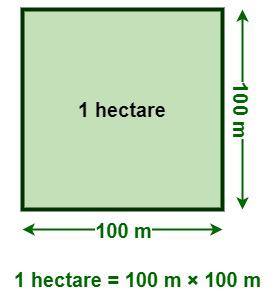
This is measured in hectares
One hectare is equivalent to 10,000 m² Forest loss measures the net change in forest cover The loss in forests due to deforestation plus any increase in forest through afforestation or natural expansion.3 The first afforestation and reforestation baseline and monitoring methodology under the clean development mechanism was approved by the executive board of the cdm in 2005, and yet to date only 52 afforestation and reforestation projects have been registered.
Forests are one of the largest terrestrial ecosystems on earth, absorbing carbon dioxide from the atmosphere through photosynthesis and storing it as organic carbon, thereby mitigating global warming Conducting bibliometric analysis of forest carbon storage can identify current research trends and hot issues in this field, providing data support for researchers and policy makers Concerning sustainability issues, the basic debate is about the substitutability of different forms of capital and the notions of strong versus weak sustainability. Here, we integrated results from direct field measurements of over 370 restoration sites around the world to show that mangrove reforestation (reestablishing mangroves where they previously colonized) had a greater carbon storage potential per hectare than afforestation (establishing mangroves where not previously mangrove).

Now, thanks to his expertise, we now have an idea of the total carbon impact of reforestation