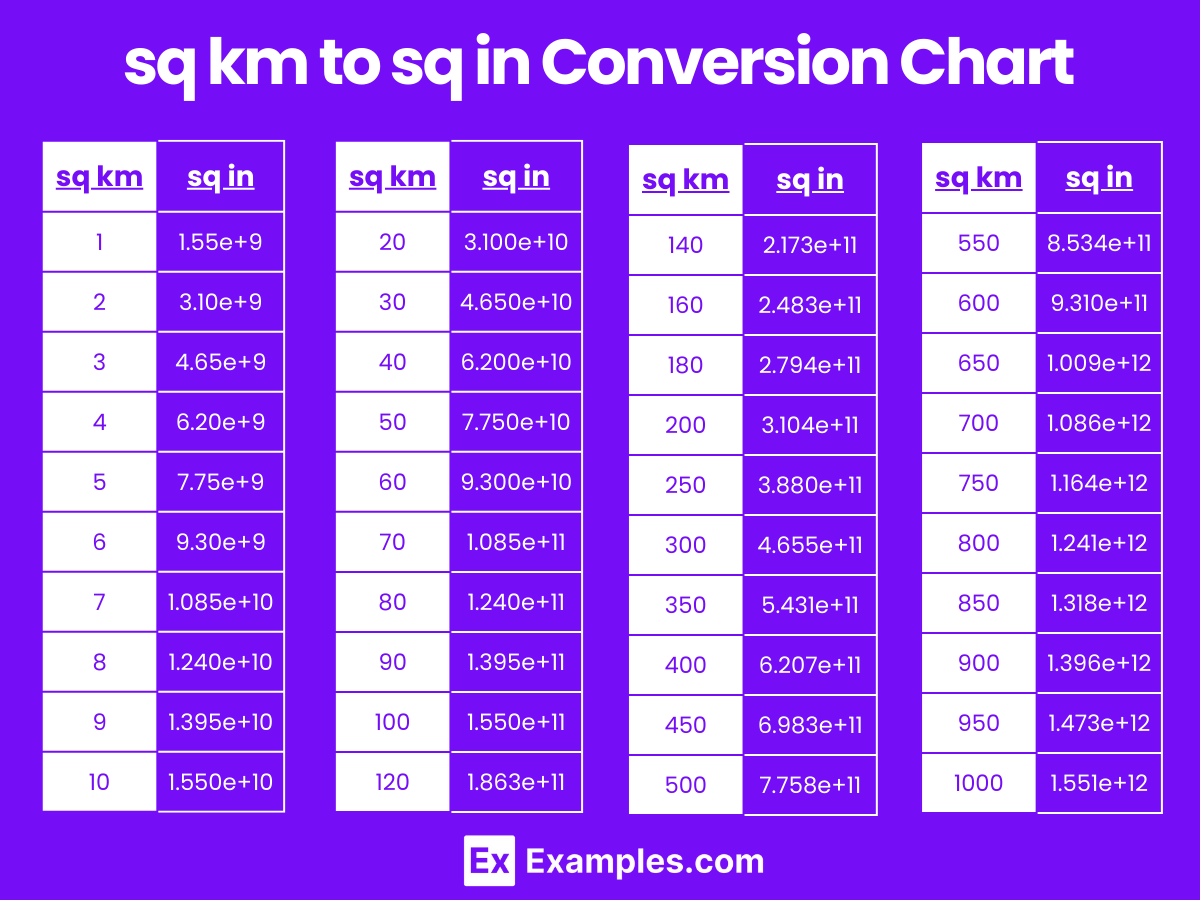
Why Engineers Use Sq Inches To Inches Calculations For High-heat Circuits Uare Kilometers Km Uare Inch Uare
Complete guide to unit conversions every engineer should know Use advancedpcb's trace width calculator to find the ideal trace width for your pcb designs, ensuring optimal performance and reliability in your circuit boards. Learn essential conversion formulas, tables, and practical examples for mechanical, civil, and electrical engineering.
2 Area Thickness Sq Ft or Sq Ft Inches 3 Area Sq Ft LP3 Patio concrete
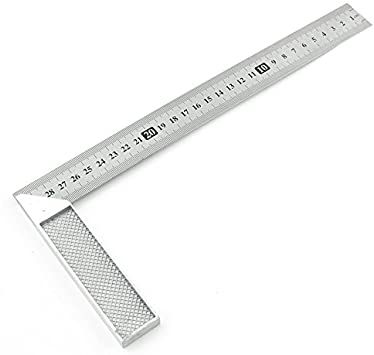
Why use an engineer scale instead of a standard ruler when relating to inches A = surface area of greenhouse (sq An engineer scale simplifies drawing and measuring objects at reduced or enlarged sizes while maintaining accurate proportions.
- New Data Shows St Pauls School Grads Dominate Elite Tech Startups By 2026
- Viral Drone Footage Shows The Glen Stream Md 2026 Habitat Recovery
- New Data Reveals Flynn Oharas Echoes Deal Outperformed All 2025 Streaming Hits
In the previous example (and a lot of the time in engineering applications), conversions can be completed in one step and with one conversion factor
Sometimes, instances will arise where you need to perform multiple steps and use multiple conversion factors. Conclusion understanding units of measurement and their conversions is a cornerstone of civil engineering Whether it's calculating the length of a beam, the area of a site, or the volume of concrete, precise measurement ensures the success of your projects. Learn why unit conversions matter in civil engineering
Avoid costly mistakes with this essential guide for engineers, students, and site professionals. Why this matters units aren't just labels you slap onto numbers—they're the language engineers use to communicate precisely across disciplines, countries, and decades You're being tested on your ability to work fluently within the si system, convert between unit systems, and apply dimensional analysis to verify your calculations Every engineering problem you'll encounter requires you to.

The engineering toolbox provides a wide range of free tools, calculators, and information resources aimed at engineers and designers
It offers detailed technical data and calculations for various fields such as fluid mechanics, material properties, hvac systems, electrical engineering, and more. Square inches are also commonly used in the field of engineering, particularly in mechanical and electrical engineering Engineers use this unit to measure the surface area of components, such as circuit boards or mechanical parts. The essence and role of units of measurement in engineering transcend the superficial boundaries of numerical values, acting as the building blocks to the vast skyscraper of innovation and development.
It is particularly vital in engineering, graphic design, and material sciences Engineers use square inches to calculate and specify areas in designs and plans Watts is a unit of energy that measures power conversion What makes it a good idea to use rms rather than peak values of current and voltage when we talk about or compute with ac signals.

This guide presents the key criteria required to create accurate heating and cooling load calculations and offers examples of the implications when inaccurate adjustments are applied to the.
Additionally, it provides guidelines and examples for effective. Students learn about the types of possible loads, how to calculate ultimate load combinations, and investigate the different sizes for the beams (girders) and columns (piers) of simple bridge design They learn the steps that engineers use to design bridges by conducting their own hands on associated activity to prototype their own structure Students will begin to understand the problem, and.
Heat loss from building envelope (wall, roof, glass) heat loss occurs from a building structure primarily due to conduction Because heat moves in all directions, when calculating the heat loss of a building, we much consider all surfaces (external walls, roof, ceiling, floor, and glass) that divide the inside, heated space from the outside. Another way to calculate the minimum number of general lighting circuits required in a dwelling unit is to divide the total habitable square foot living area by ____________ square feet for 15 amp branch circuits and Experiment with an electronics kit

Determine if everyday objects are conductors or insulators, and take measurements with an ammeter and voltmeter
View the circuit as a schematic diagram, or switch to a lifelike view. The required relief area for two. To calculate the allowable irc exception to the minimum (that is, 1/300 ratio) here's the shortcut Attic floor square footage ÷ 4 = square inches of exhaust and square inches of intake net free area needed
Here's an example using the shortcut for the 1/150 code minimum.