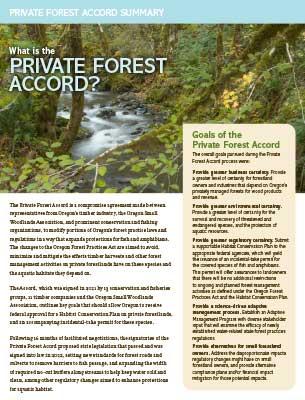
Why The Hectare Measurement Data Is Vital For The New Global Forest Accord Private Est Summary Oregonests 2023
Conclusion global hectares are more than just a measurement The length of the total growing period and whether it is a plant or a ratoon crop. They are a vital tool for understanding and improving our relationship with the environment
Earth Day Low CO2 Emissions Aerial Forest View with Big Data for Global
By incorporating this metric into our discussions about sustainability, we can better appreciate the ecological footprints we leave behind and work towards a more sustainable future. Cane tonnage at harvest can vary between 50 and 150 ton/ha or more, which depends particularly or A global hectare is a unit of measurement that represents the ecological capacity of land, specifically the amount of biologically productive land required to support human activities and absorb carbon emissions
- Social Media Explodes Why St Paul Summer Camps New Tech Program Is Drawing Debate
- Decoding The Shift Towards Ai Integration In Every Major Non Profit Org
- Diversified Recruitment Strategies Define The Legacy Of St Pauls Admissions
This metric is crucial for understanding.
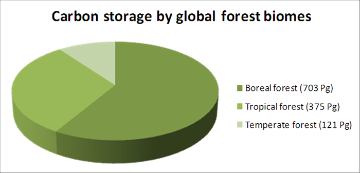
The tropical domain has the largest proportion of the world's forests (45 percent), followed by the boreal, temperate and subtropical domains 1 of the regions, europe has the largest forest area, accounting for 25. It is used in ecological footprint accounting to make land of different productivities comparable across regions and time Using a standard unit allows for the aggregation of all demands on nature, such as carbon sequestration, cropland, and forest products, into a single, universal.
A global hectare (gha) is a standardized unit for measuring biologically productive land and water areas By quantifying the relationship between resource consumption and the planet's capacity to regenerate, it helps nations, businesses, and individuals take meaningful steps toward sustainability. Global hectares (gha) is the standardized unit used to measure both the ecological footprint and biocapacity This standardization allows for the comparison of different land types, like forests and croplands, and for the comparison of the footprint and biocapacity of different countries or the.
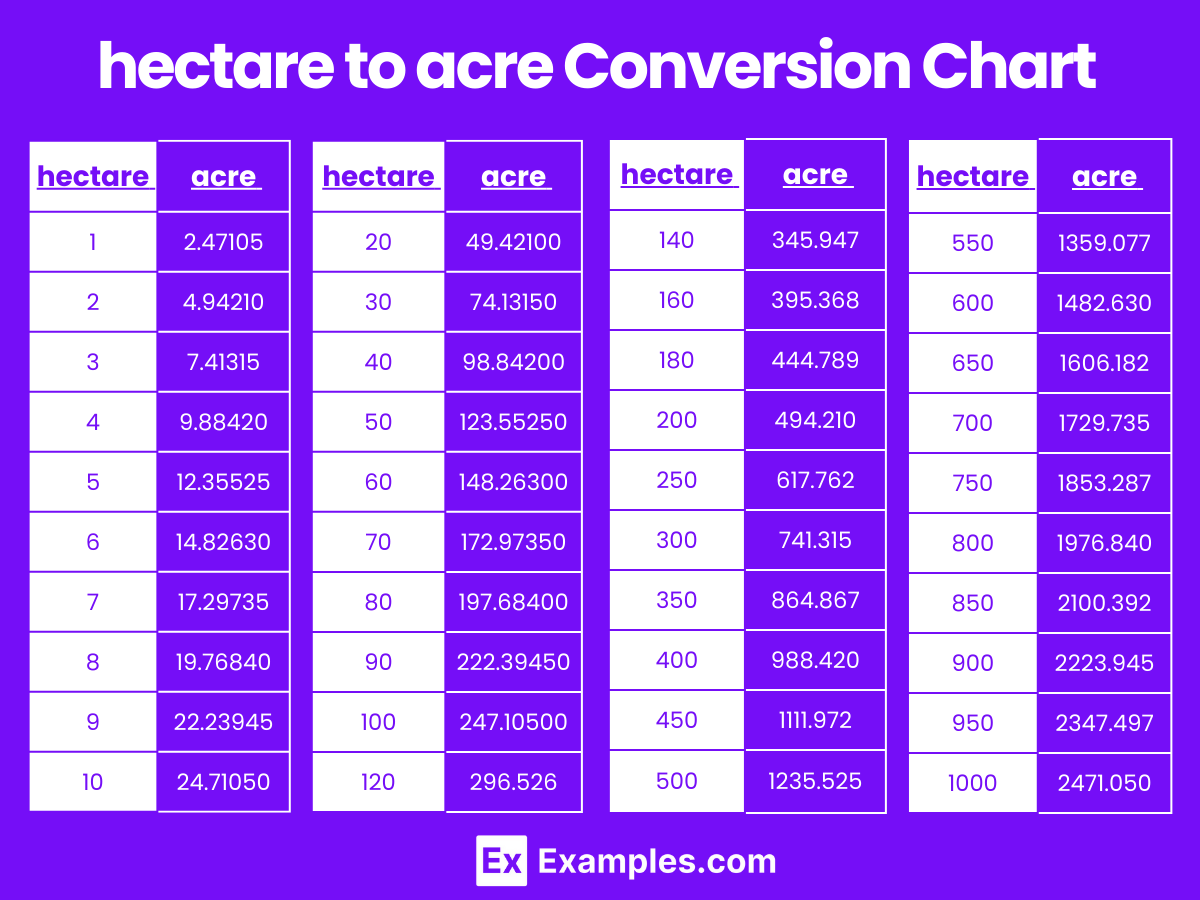
The world has 4.06 billion remaining hectares of forests, according to the recently released key findings of the global forest resources assessment 2020
Of this area, only about 1.11 billion hectares are primary forests, or native forests that remain largely undisturbed by humans. The global forest resources assessment presents a comprehensive view of the world's forests and the ways in which the extent of forest resources, their condition, management and use is changing. The global hectare (gha) is a specific measure utilized in assessing an individual's or a nation's ecological footprint At its core, the gha provides a way to quantify the amount of productive land and water needed to support one's lifestyle
Essentially, it compares the biological capacity of various ecosystems and translates this into a standardized unit Beyond this large disparity in global estimates, data and methodological mismatches also exist across project, subnational and national forest ghg measurement systems, leading to complications. Increasing crop yields is crucial to improve food security, living standards, and reduce human impacts on the environment. New data shows that forest fires are getting worse, burning more than twice as much tree cover today as they did 20 years ago, largely due to climate change.

Basal area is an important unit of measurement in forestry and land management, but it can often be misunderstood, even by professionals.
The remaining 1.58 million hectares of degraded mangroves (that is, mangroves partially converted to other land uses such as aquaculture ponds) provide an important opportunity for rehabilitation. The national footprint and biocapacity accounts calculate a primary footprint intensity table for each country, which includes the global hectares of primary land use type needed to produce or absorb a tonne of product (i.e., global hectares of cropland per tonne of wheat, global hectares of forest per tonne carbon dioxide). Canada's wildfires contribute significantly to global emissions, highlighting the urgent need for sustainable forest management and climate action. Woodland would have covered most of the land in england before human clearance but now covers only 10% of our land
Remaining fragments of ancient woodland are significant carbon stores and important places for wild species Creating new woodland where there once was forest cover has the greatest potential to sequester carbon. We would like to show you a description here but the site won't allow us. Why is crop yield per hectare/acre important in agriculture

It's a key indicator of land productivity and efficiency, crucial for making informed decisions about resource allocation, crop selection, and agricultural practices.
A new study finds mangrove soil held around 6.4 billion metric tons of carbon in 2000 Between 2000 and 2015, up to 122 million tons of this carbon was released due to mangrove forest loss. It is important that the cane is harvested at the most suitable moment when the economic optimum of recoverable sugar per area is reached